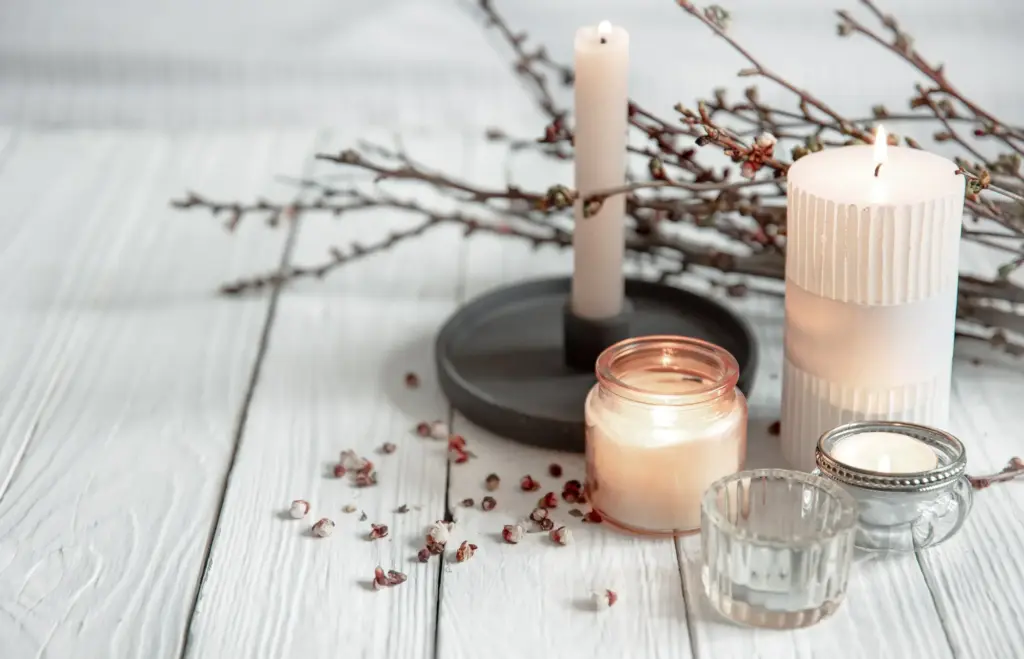
Unwind with Intention: Candles, Breath, and Pages

Tonight, we explore Mindful Night Routines: Integrating Small-Batch Candles with Breathwork and Journaling, weaving scent, rhythm, and reflection into a gentle closing ritual. Expect practical guidance, candid stories, and science-backed tips that transform restlessness into steadiness. Light by light, breath by breath, line by line, you will craft a personal bridge from busy evenings to truly restorative sleep, while nurturing gratitude, emotional clarity, and consistent self-care you actually look forward to repeating.

Choose scent notes that soothe, not shout

Select fragrances that whisper to your nervous system rather than demand attention. Think muted woods, airy florals, and grounded resins over syrupy sweets. Transparent suppliers list phthalate-free fragrances and natural essential oils, minimizing harsh edges. Start with one candle lit ten minutes before journaling so your brain begins pairing the aroma with exhale-lengthening calm. Over a week, you may notice your body anticipates softness as soon as that familiar scent returns.

Light with care and ritual

Trim the wick to a quarter inch for a clean, steady flame, then strike the match deliberately, pausing to watch the tiny flare. This moment becomes your opening note, a cue that distractions can rest. Keep the candle on a stable, heat-resistant surface, away from drafts and curious pets. Extinguish with a snuffer to reduce smoke and preserve delicate notes. The predictability of these steps, repeated nightly, quietly tells your mind that it is finally safe to wind down.

Match wax and vessel to your space

Soy, coconut, and beeswax each burn differently; choose based on room size and sensitivity. A modest vessel suits bedside tables, while wider jars fill living rooms without overpowering. Test burn times to discover your sweet spot for scent strength and duration. I favor a coconut-soy blend in matte stoneware for its stable pool and gentle diffusion. The vessel’s weight, texture, and color matter too, subtly shaping your sensory landscape and encouraging calm through pleasing, tactile consistency.

Lengthen the exhale to coax calm

Try inhaling through the nose for four, then exhaling for six to eight, jaw unclenched, shoulders softened. Imagine the flame rocking with each breath, your exhale a gentle tide withdrawing from shore. Longer exhales stimulate parasympathetic pathways, loosening the day’s grip on your thoughts. If dizziness appears, shorten counts and rest. Consistency beats intensity here, so consider three relaxed sets alongside the candle’s flicker, letting your body relearn comfort without heroic effort or rigid rules.

Box breathing when thoughts race

Inhale four, hold four, exhale four, hold four, tracing an imaginary square with your eyes along the shadowed rim of the candle’s vessel. That geometric rhythm gives your mind a simple, repeatable task, replacing ruminations with structure. After three or four cycles, many people notice edges soften and planning chatter fades. If holds feel edgy at night, lighten them to two or skip entirely. Pair with quieter scents—lavender or neroli—and you’ll likely feel steadier within minutes.

Journaling to Clear the Mental Desk

Pen and paper turn swirling thoughts into something you can see, name, and release. Keep it uncomplicated: a dated page, a soft pen, and three gentle prompts. I once wrote, “I did enough today,” and cried with relief—those four words unhooked my shoulders. Your page can hold gratitude, worries, and tiny commitments without judgment. Over time, these lines become evidence of growth, not perfection. The candle’s steady halo keeps you company as sentences unspool earnestly.

Gratitude, wins, and micro-joys

List three specifics from today: a kind email, warm socks from the dryer, sunlight on a cracked sidewalk. Specificity matters; it trains your attention toward real, grounded goodness rather than vague positivity. Describe textures, colors, and small sounds while the candle warms the air. This practice does not deny difficulty; it widens your frame to include gentleness too. One reader keeps a running column titled Tiny Bright Things, a humble catalog that steadies her before lights out.

The ‘worry dump’ that breaks spirals

Give your anxieties a landing pad by bulleting every what-if and pending task without censoring tone or grammar. Then mark each line with an arrow: delegate, schedule, or release. Seeing worries externalized reduces their stickiness, and labeling next actions prevents nighttime problem-solving marathons. If something still nags, promise a morning check-in on a sticky note placed by the door. This respectful containment lets your nervous system trust that nothing urgent will be forgotten overnight.

Close with one compassionate intention

End with a single line you can keep, such as, “Move slowly before noon,” or, “Answer emails after coffee.” Avoid punitive vows. Your candle becomes the witness to that compassionate boundary, sealing the page with warmth. Tomorrow, evaluate gently: did this intention help? If not, tweak without shame. Over weeks, these closing notes form a personal owner’s manual for calmer evenings and kinder mornings, proving that small, honest promises change more than elaborate plans ever could.

A Seamless 20-Minute Night Flow

Five minutes to prepare your scene

Tidy the nearest surface, silence unnecessary alerts, pour water or tea, and light your small-batch candle with a trimmed wick. Notice the first hint of fragrance arrive as you close drawers and dim lamps. Place your journal and pen within easy reach so no micro-friction interrupts the flow. Consider a soft track or pure quiet. Those rapid, gentle preparations carry a message: tonight deserves clarity and warmth, and you are allowed to arrive as you are.

Eight minutes of guided breathing

Set a gentle timer. Begin with two minutes of nasal breaths, then shift into four-seven-eight or elongated exhales for four more. Finish with two relaxed cycles of box breathing if it feels right. Keep your gaze soft on the candle’s halo, letting peripheral shadows blur. If thoughts intrude, greet them and return to counting. Eight minutes can feel luxurious, and it trains your body to expect unwinding at this same moment each evening, easing transitions gracefully.

Seven minutes of honest pages

Open your journal and write without editing. Three gratitudes, a quick worry dump, then one compassionate intention. Let sentences be short and plain. If emotions surface, pause your pen and extend your exhale, watching the flame sway slightly. End by underlining one word you want to carry forward—rested, patient, present. Snuff the candle carefully, and enjoy the quiet. You have already done enough tonight to earn softer sleep and a clearer morning path.

Why This Works: Scent, Nerves, and Narrative
There is thoughtful biology behind the calm. Aroma signals pass directly to brain regions tied to memory and emotion, explaining why a familiar cedar blend becomes shorthand for safety. Slow exhalations stimulate parasympathetic tone, lowering heart rate and softening tension. Writing externalizes cognitive load, freeing working memory. Together, these elements create a layered feedback loop: scent signals peace, breath sustains it, and narrative seals the lesson. Repetition strengthens the association so your body recognizes rest without negotiating.

Adapt, Personalize, and Keep Showing Up

Rituals thrive when they fit real lives. Tiny apartments, roommates, night shifts, travel days—everything can be worked with. Swap tools, not intentions. If a week goes sideways, celebrate any two-minute fragment you preserved. Share your experiences with our community, suggest candle artisans you love, and subscribe for seasonal prompts and gentle reminders. Your practice will evolve like a favorite mug: nicked in places, still warm in the hand. Keep returning; steadiness grows from small, repeated kindnesses.